2026 "Doughnut Economics" Summer Workshop 2: Day 1 Thematic Sessions
On July 11, 2026, the 2026 "Doughnut Economics" Summer Workshop, organised by the Shao Qinglong Research Group of the School of Ecology at Sun Yat‑sen University under the EU Jean Monnet Project, held its first day of thematic sessions at Sun Yat‑sen University’s Shenzhen Campus.
The day’s activities included lectures on Doughnut Economics theory, case studies of Shenzhen and Hong Kong, research methodology sharing, and participant introductions, covering topics such as social foundations, ecological boundaries, urban sustainable governance, ecosystem services, and international trade.
01 Evolution and Future Prospects of Doughnut Economics
In the morning, Associate Professor Shao Qinglong delivered a lecture entitled "Evolution and Future Prospects of Doughnut Economics".
The lecture began with an overview of the research group’s work and the EU Jean Monnet Project, followed by an explanation of the background, theoretical development, and main framework of Doughnut Economics.
Doughnut Economics is defined by two core boundaries: the social foundation and the ecological ceiling. The social foundation focuses on basic needs such as food, health, education, housing, and social equity, while the ecological ceiling addresses environmental issues including climate change, biodiversity, land use, and freshwater resources. The space between these two boundaries is considered the safe and just operating space for humanity, where both social well‑being and ecological security can be pursued.
The morning session gave participants a preliminary understanding of the basic concepts and research approaches of Doughnut Economics, laying a theoretical foundation for the subsequent urban case studies and group discussions.
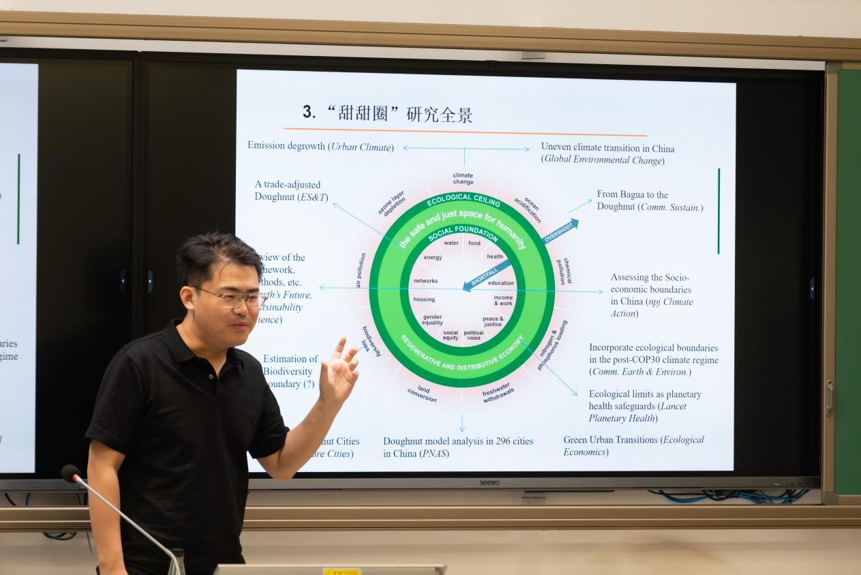
Associate Professor Shao Qinglong delivering the lecture
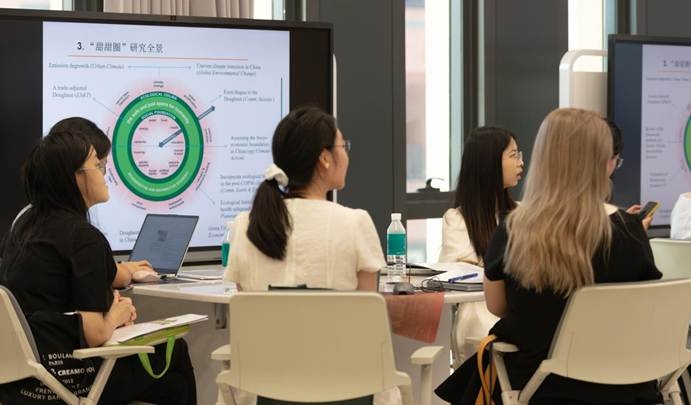
Lecture scene
02 Participant Introductions
Following the lecture, participants took turns introducing themselves.
Each participant shared their academic background, research interests, and expectations for the workshop. The participants come from various universities in different countries and regions, with research areas spanning ecology, environmental science, urban planning, public policy, economics, and sustainable development.
Through these introductions, participants gained a better understanding of each other’s expertise and interests, which facilitated collaboration in subsequent group work and final presentations.
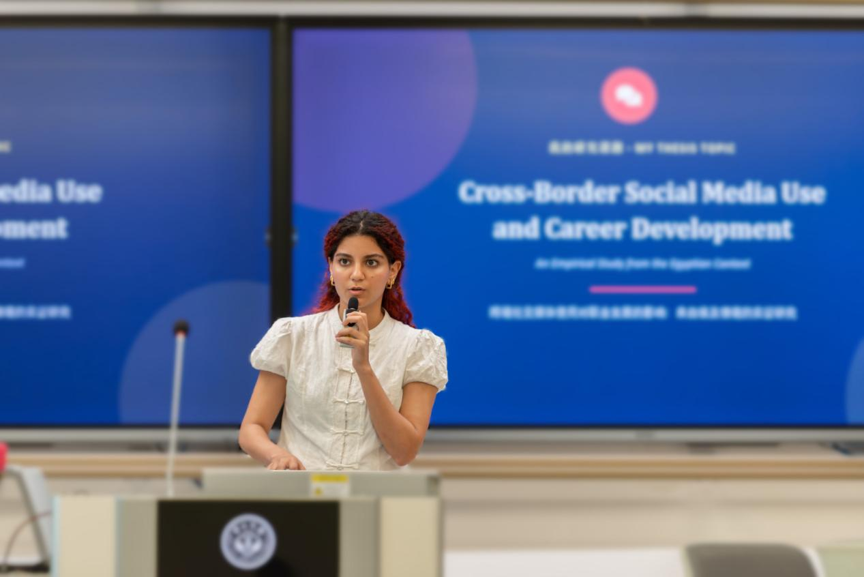
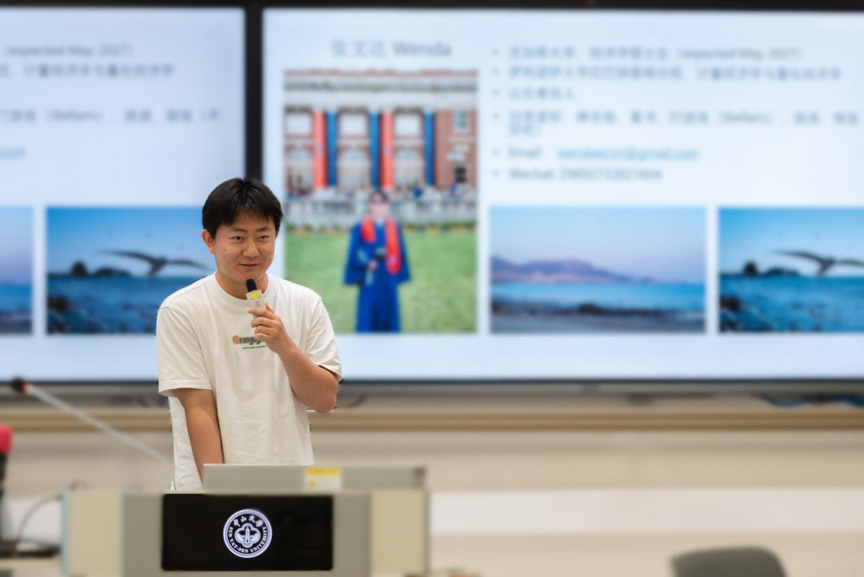
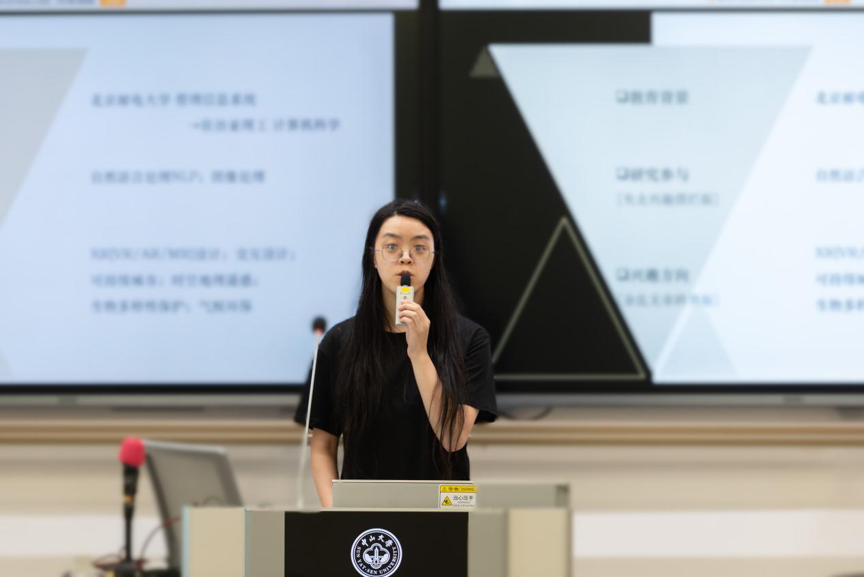
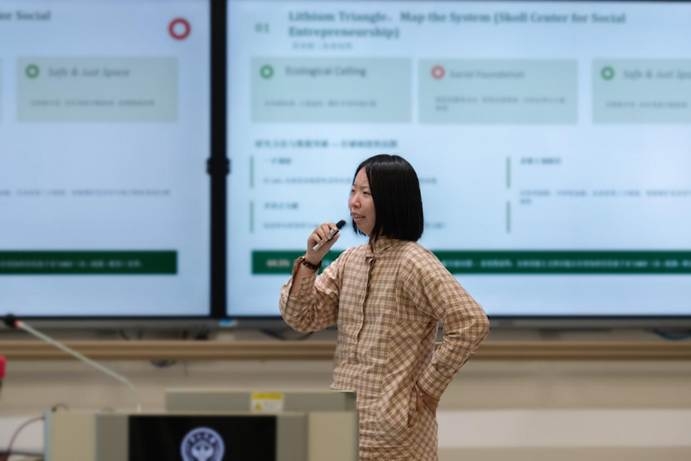
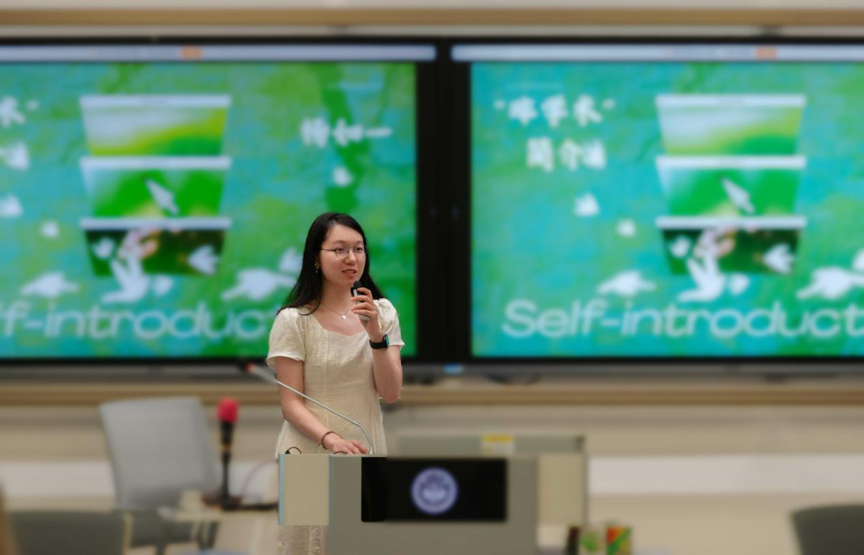
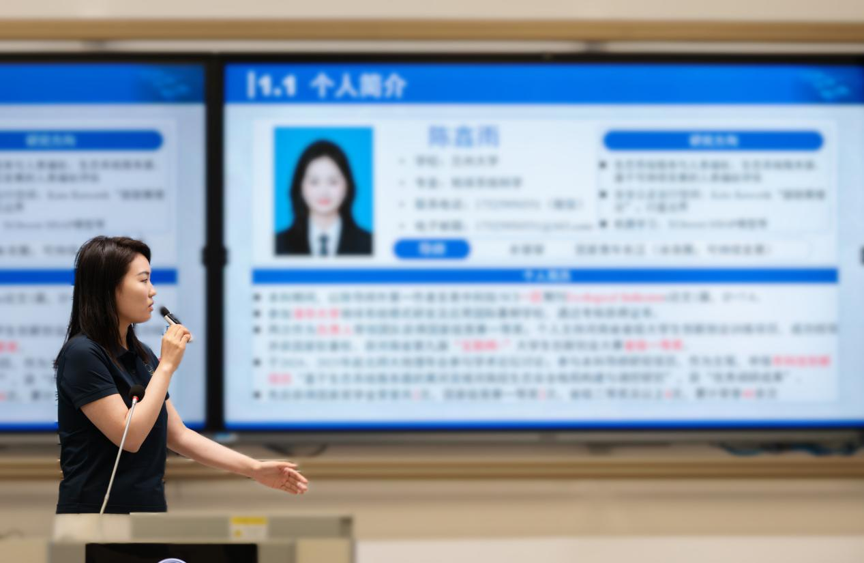
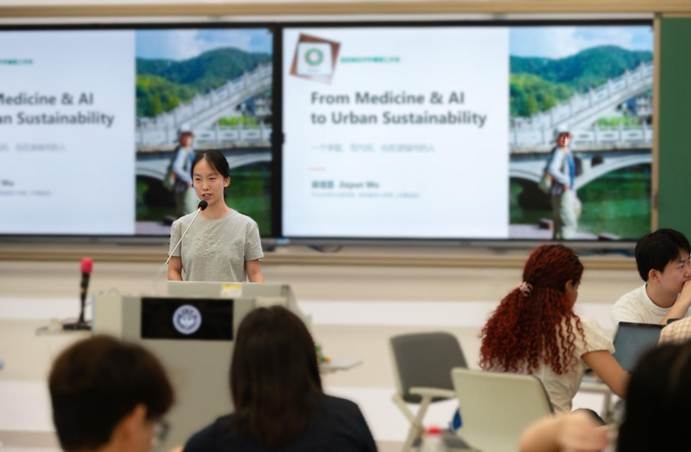
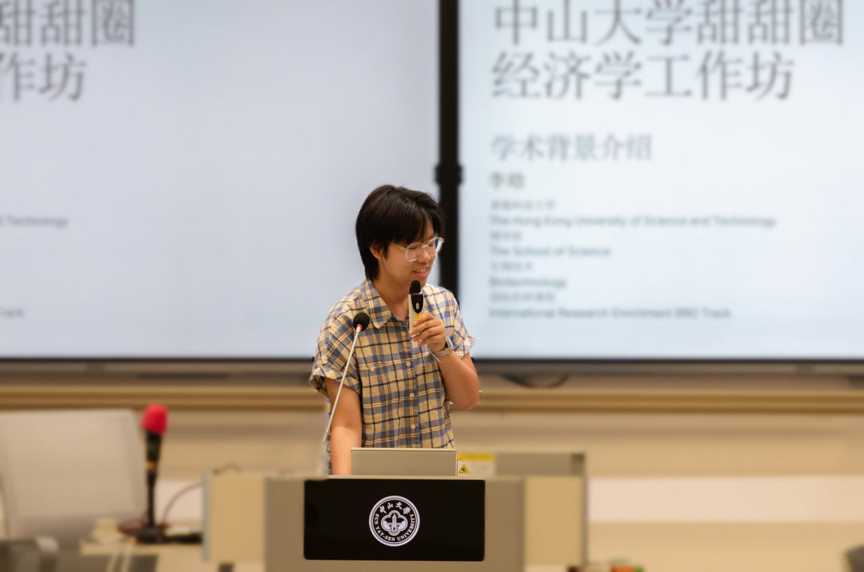
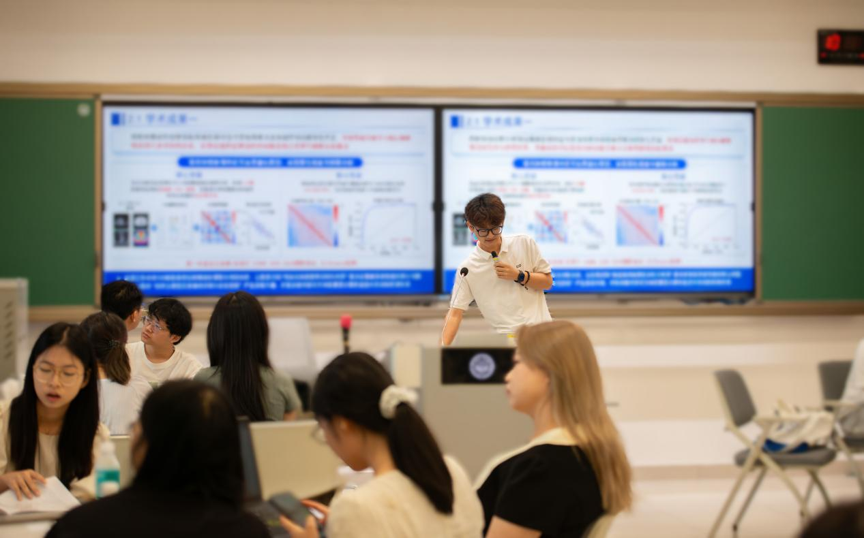

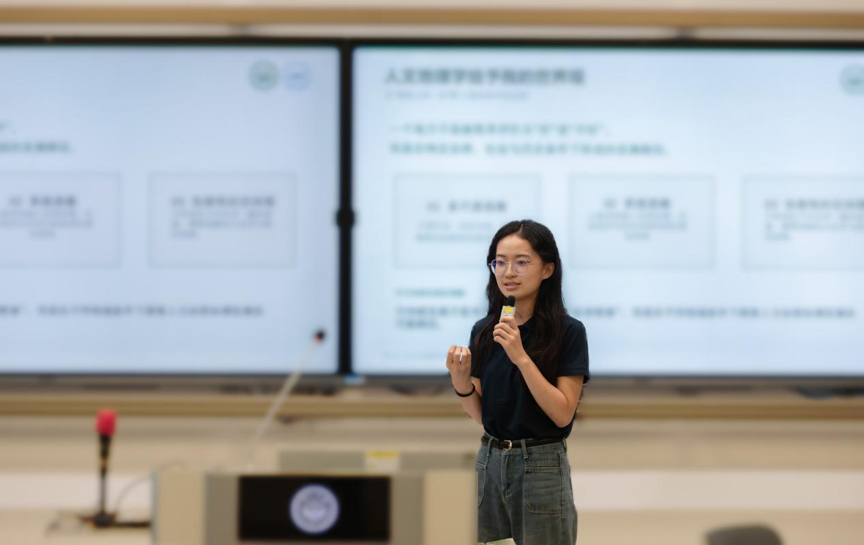
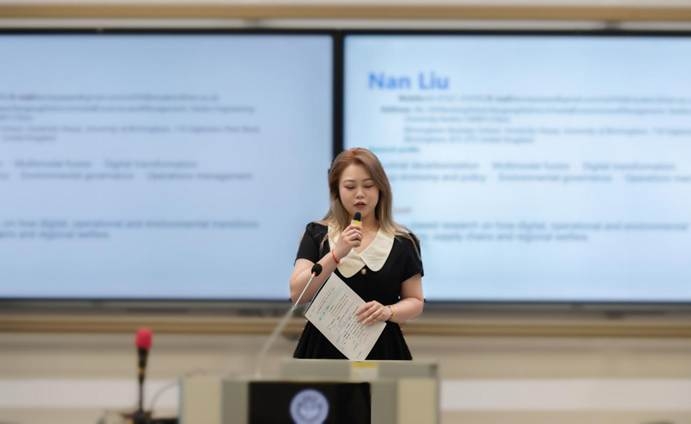
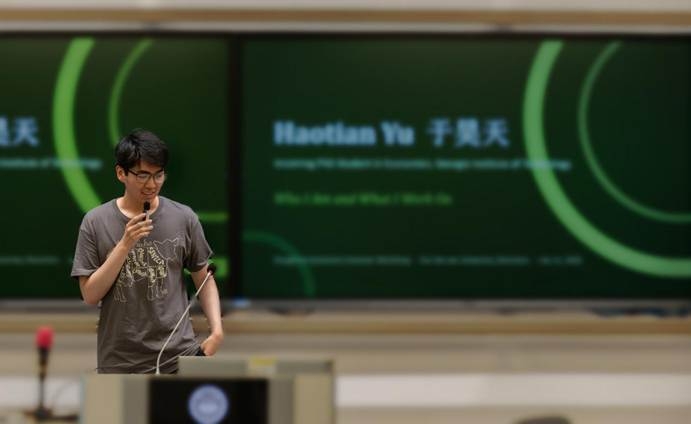
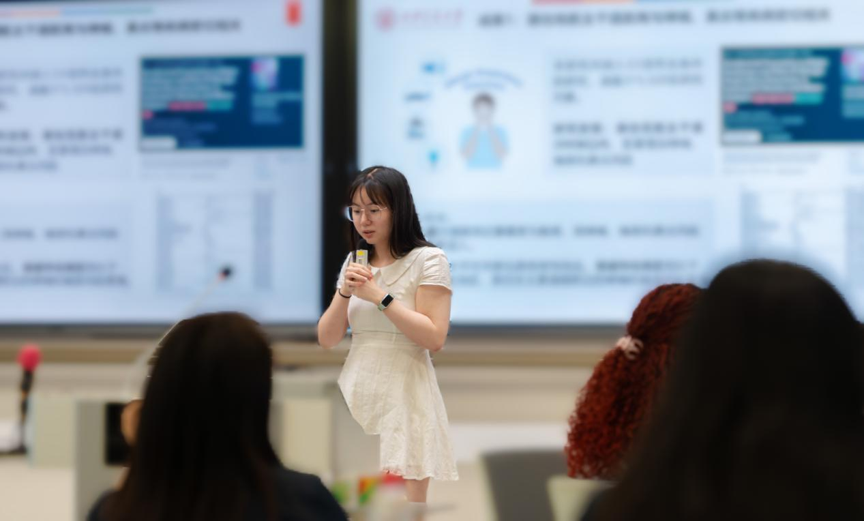
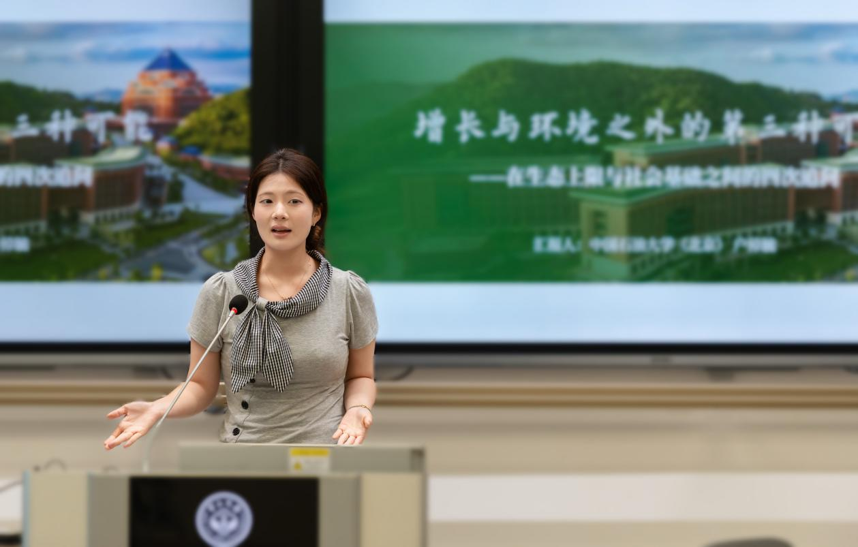
Participant Introductions

Group discussion
03 From Urban Doughnut to Cross‑Border Sustainable Governance: Social Foundations, Ecological Boundaries, and Practical Pathways in the Shenzhen‑Hong Kong Twin Cities
In the afternoon, Postdoctoral Fellow Zhang Zhihu delivered a lecture entitled "From Urban Doughnut to Cross‑Border Sustainable Governance: Social Foundations, Ecological Boundaries, and Practical Pathways in the Shenzhen‑Hong Kong Twin Cities".
The lecture introduced the basic logic of the urban Doughnut framework and, using Shenzhen and Hong Kong as case studies, explained urban social foundations, ecological boundaries, indicator systems, data sources, and measurement methods.
Applying Doughnut Economics at the city level requires considering both the satisfaction of residents’ basic needs and the resource‑environmental pressures resulting from urban development. Shenzhen and Hong Kong differ in demographic structure, urban space, public services, and resource utilisation, yet they also share common challenges such as cross‑regional resource flows and collaborative governance.
The lecture also explored topics including green transition, public services, resource consumption, and cross‑border governance, guiding participants to think about how cities can improve social well‑being while reducing ecological pressure, and to examine the potential differences and complementarities between Shenzhen and Hong Kong in sustainable development.
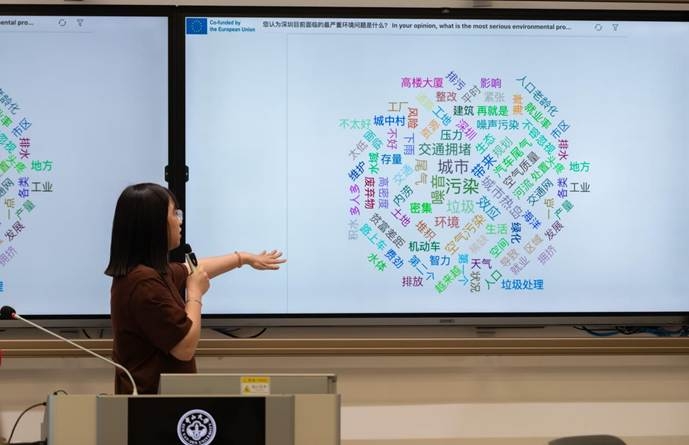
Postdoctoral Fellow Zhang Zhihu delivering the lecture
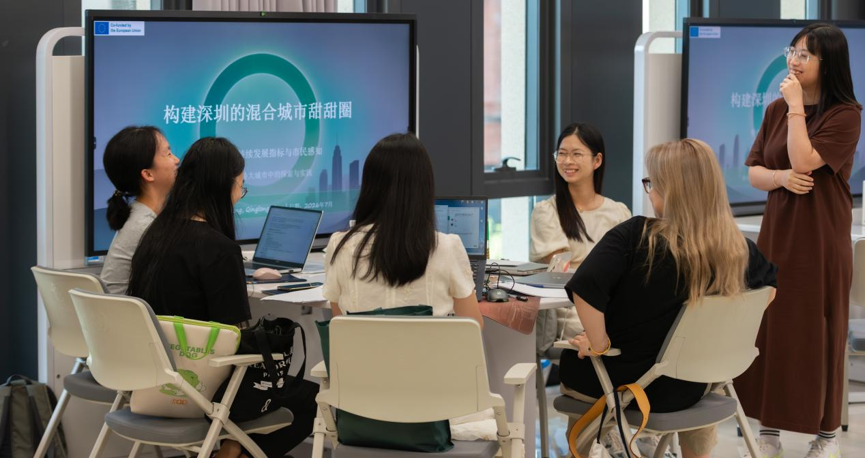
Classroom discussion
04 Meeting Basic Human Needs While Staying within Ecological Ceilings
Subsequently, Dr. Hu Hongyu gave a lecture entitled "How to Meet Basic Human Needs While Avoiding Breaching Ecological Ceilings".
The lecture focused on the theoretical foundations and applied extensions of the Doughnut accounting framework, with special emphasis on the role of ecosystem services in bridging human needs and natural resource supply, as well as the impact of international trade on resource use, environmental pressures, and the distribution of consumption‑based responsibilities.
Drawing on relevant research, Dr. Hu introduced approaches to assessing safe and just conditions through pathways such as land supply, water supply, air quality regulation, and carbon sink regulation, and explained the differences in evaluation outcomes between production‑based and consumption‑based accounting for different regions.
Through this session, participants gained a deeper understanding that production and consumption activities in one region not only affect local resources and the environment but may also transfer ecological pressures to other regions through trade and supply chains. Therefore, applying Doughnut Economics requires attention to the linkages across different spatial scales.
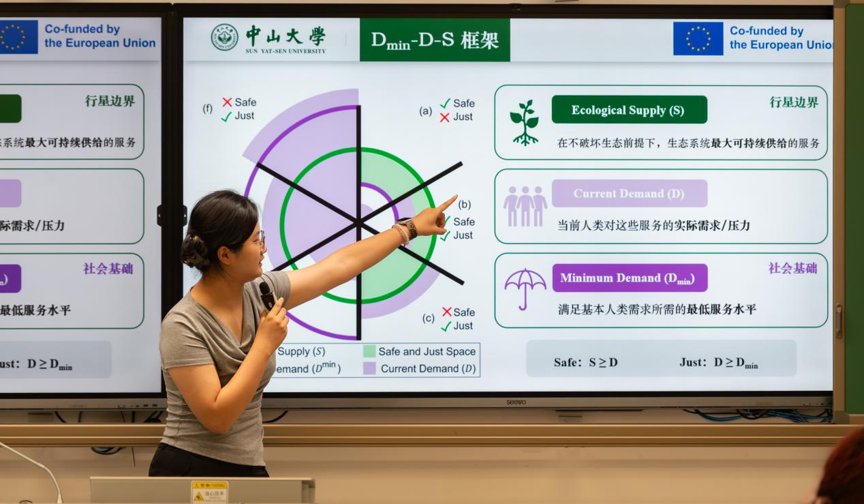
Dr. Hu Hongyu delivering the lecture
Participants taking notes
05 Special Session: From Theory to Practice – Exploring Pathways for Implementing Doughnut Economics through Case Studies
During the day, the workshop specially invited Dr. Gao Shuo from the University of Science and Technology of China to share case study research and literature. Dr. Gao’s session, themed "From Theory to Practice: Exploring Pathways for Implementing Doughnut Economics through Case Studies", drew on relevant research literature and concrete examples to introduce how the "safe and just space" framework can be analysed and applied in different contexts. The session guided participants in understanding how the Doughnut Economics framework can be used to identify the relationship between social needs and ecological boundaries, and provided references for subsequent discussions and group research.
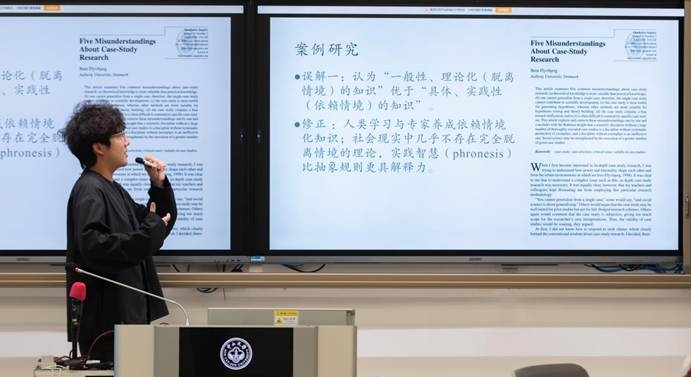
Dr. Gao Shuo’s session
06 Day 1 Summary
The thematic sessions on July 11 moved from the basic theories of Doughnut Economics to more specific research topics including urban governance, ecosystem services, and international trade.
The three main lectures covered theoretical development, urban applications, and accounting methodologies, giving participants a systematic understanding of the fundamental framework and practical applications of Doughnut Economics. The participant introductions and classroom discussions further enhanced cross‑disciplinary exchange among members with diverse academic backgrounds.
07 Preview of Tomorrow
On July 12, the workshop will focus on global urban Doughnut practice cases and group presentations.
In the morning, He Jiankun, Huang Shuoying, and Yang Mingdu will present case studies on urban governance applications of Doughnut Economics, drawing on examples such as Amsterdam. In the afternoon, each group will deliver their final presentations, followed by a closing ceremony and group photo.